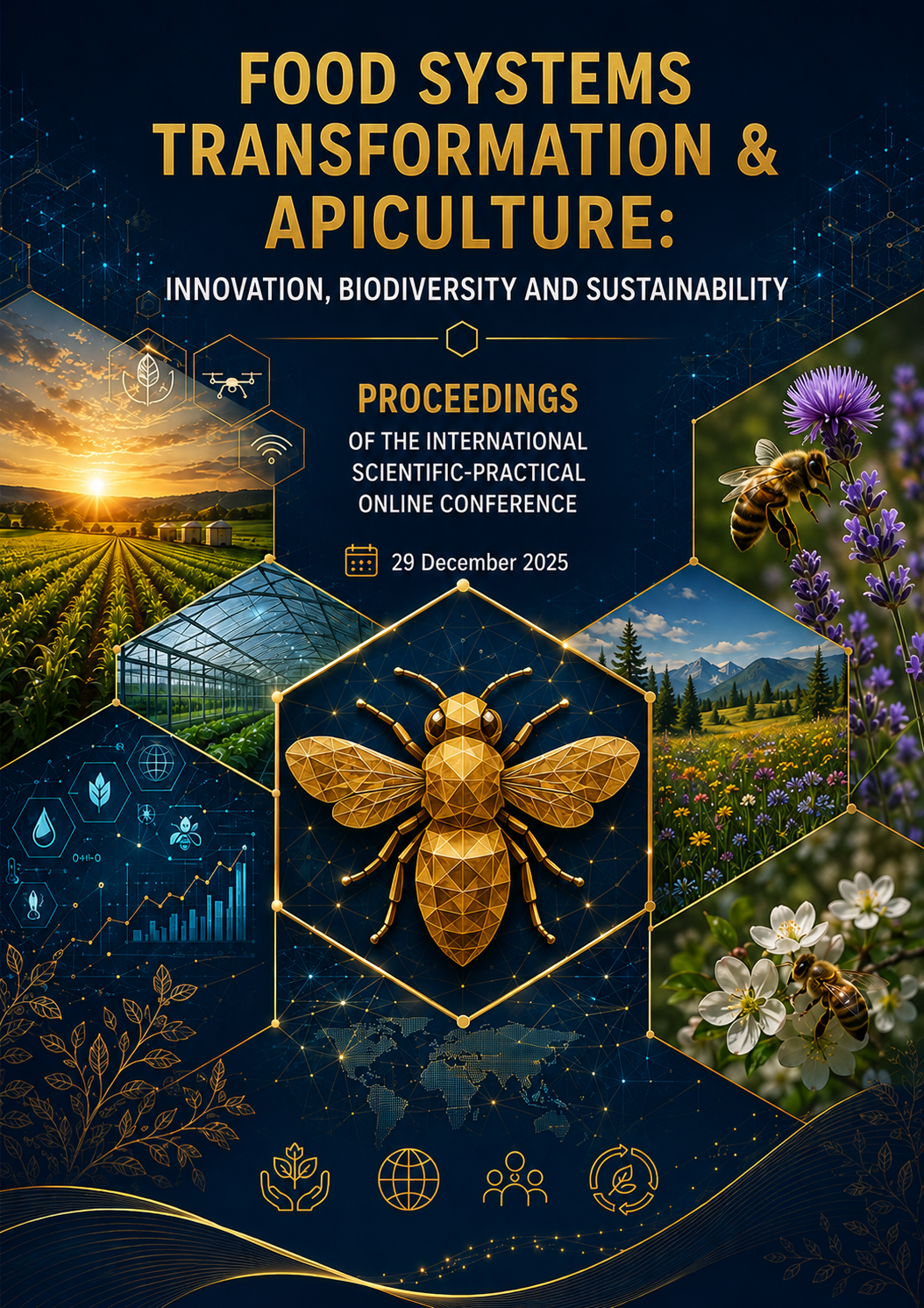
KEY COMPONENTS OF FOOD SYSTEM TRANSFORMATION
Synopsis
In 2025, international analytical reports, including Global Food Systems Transformation 2025 (UN Food Systems Hub), emphasize that food systems are in a state of constant evolution. They not only provide nutrition but also form the foundation for preserving natural resources, supporting public health, and ensuring long-term livelihoods. Research published in Frontiers in Sustainable Food Systems (2025) demonstrates that the transformation of food systems is a key instrument for achieving the UN Sustainable Development Goals. It encompasses social movements, institutional changes, and new models of governance aimed at ensuring equity, accessibility, and ecological resilience. The report The Food Rules: How Regulation Is Transforming the Future of Food (WEF, 2025) highlights the role of regulatory changes. New standards, transparency, and innovative infrastructure are becoming the basis for building trust and safety in global food systems. The key components of food system transformation include changes in production, consumption, resource management, and policy. The goal of these changes is to ensure sustainability, safety, and innovation in nutrition.